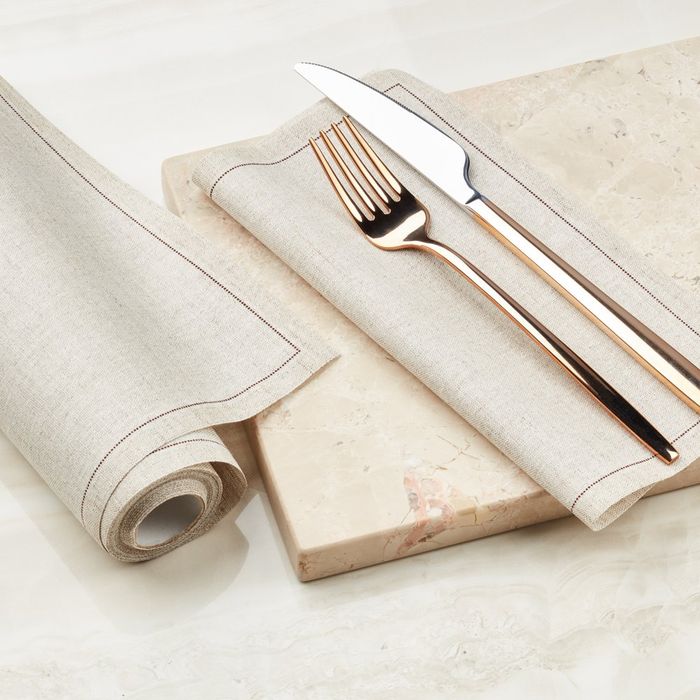
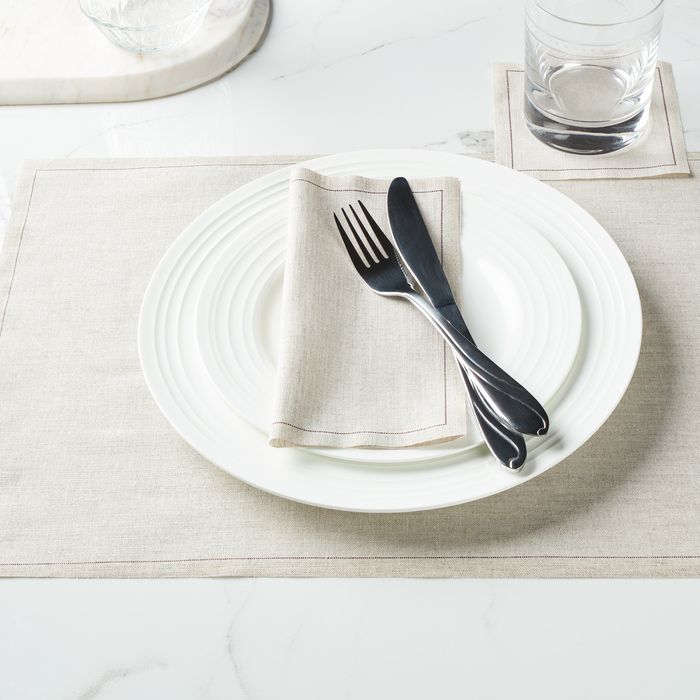
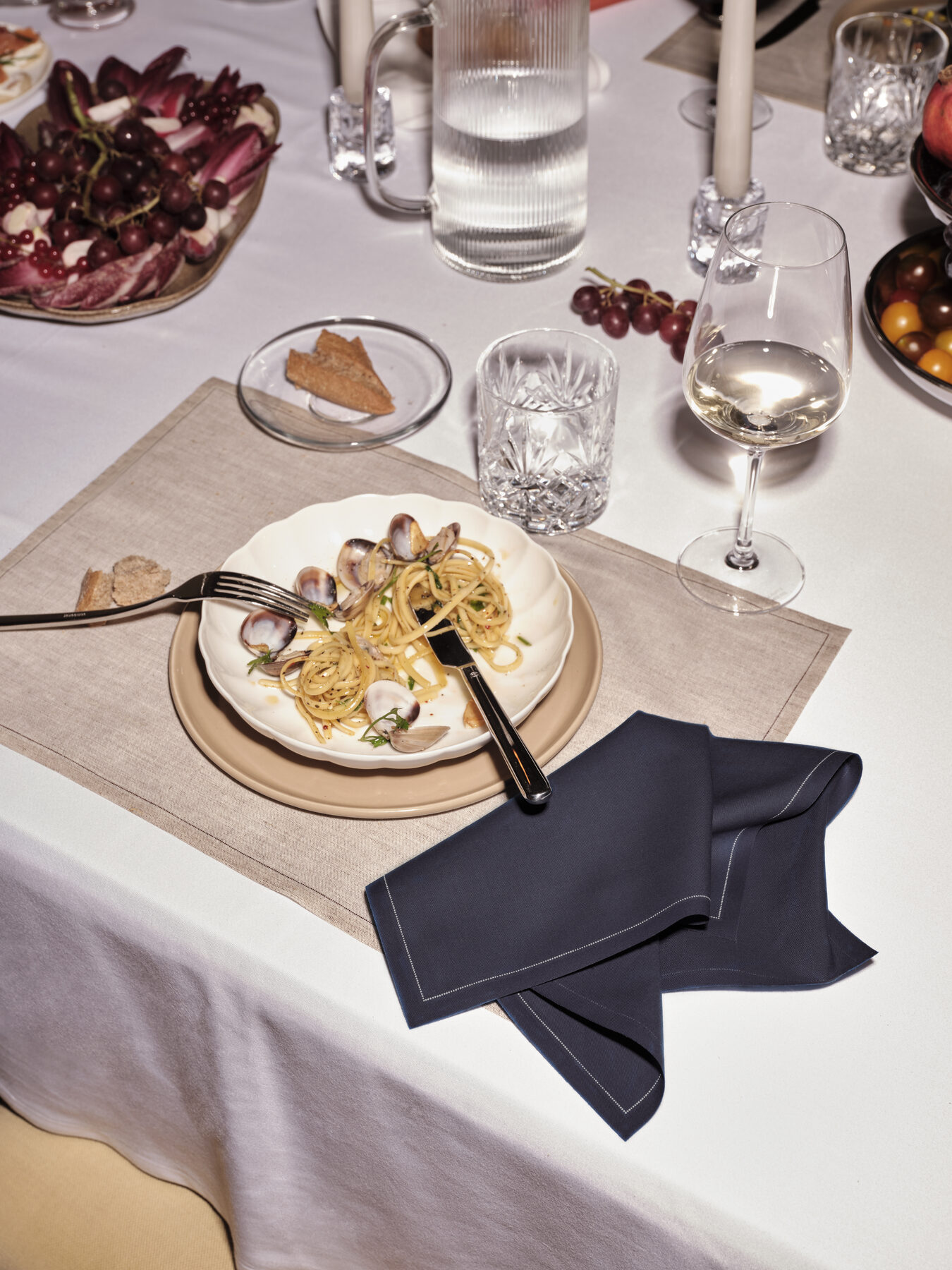
A guest rarely remembers the wine list in order, or the exact wording of the menu. What lingers is atmosphere — the weight of a fork, the warmth of the light, the small courtesies that made an ordinary meal feel considered. In hospitality, identity is built from precisely these details, and few carry more quiet weight than the napkin laid across a lap. It is the one piece of the table a guest actually touches, holds, and returns to throughout a meal. A house that treats it as an afterthought misses the point entirely.
For years, the napkin was a binary choice: linen you had to launder, or paper you threw away. The first meant elegance at the cost of labour; the second, convenience at the cost of feeling. What has changed is the arrival of a third option — a woven cotton napkin, supplied on a roll, that carries the touch of real cloth while asking almost nothing of the back of house. It is here, in that resolved tension, that a branded table detail becomes possible.
The case for cloth
Begin with the hand. Paper announces itself the moment it is lifted — thin, faintly abrasive, quick to tear at the corner. Cotton does the opposite. It has a give and a softness that reads, without a word, as care. A guest unfolding a woven napkin registers the same thing they register from a heavy door or a properly weighted glass: that someone decided this should feel good, and paid for the decision. That impression arrives before the first course and colours everything after it.
The sensory argument is not nostalgia. Cloth absorbs where paper smears; it drapes where paper creases; it holds a fold that a server can dress with intention. On the table it photographs as texture rather than as disposability. In a room where every other surface has been chosen with care — the glassware, the flowers, the grain of the table itself — a paper square is the one note that falls flat. Cotton lets the whole setting sing in tune.
The napkin is the only part of the table a guest actually holds. It should feel like the house means it.
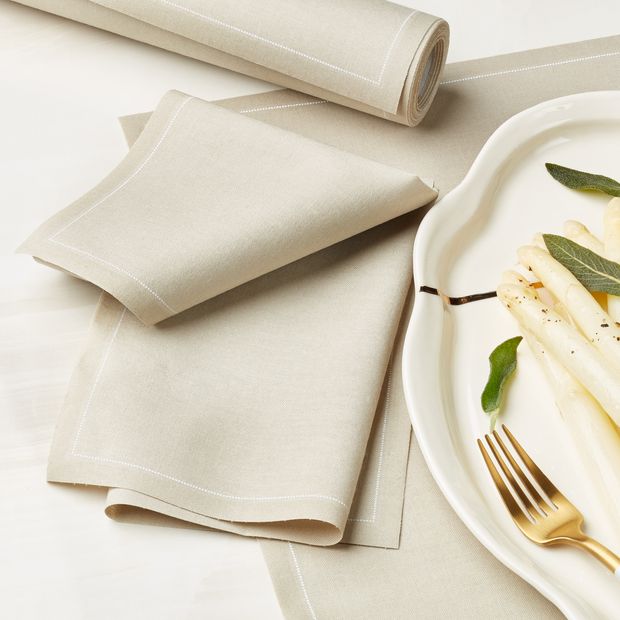
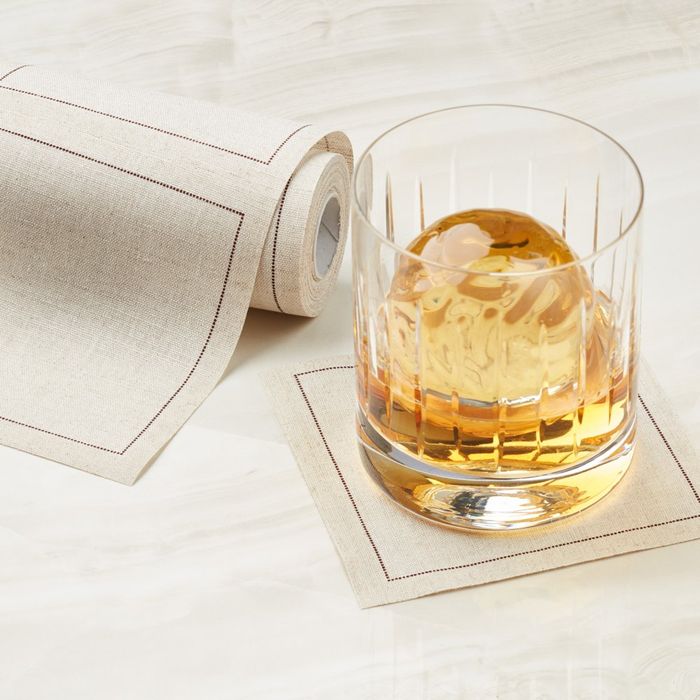
On the branded table detailNone of this would matter to an operator if it demanded a return to laundry contracts and linen counts. It does not. A cotton napkin on the roll can be used once and let go, exactly like paper — or washed and returned to service up to six times, closer to the economics of linen without the overheads. The material is 100% cotton, woven and perforated so a server tears a clean napkin from the roll in a single motion. And because it is cotton rather than a plastic-lined tissue, it is biodegradable and compostable at the end of its life. The choice, in the house's own words, is washable up to six times or disposable — as you wish.
The operational case
For a general manager, the appeal is that the choice can flex by service. A busy brunch, an outdoor terrace, a high-volume banquet — situations where laundry is impractical — take the single-use route, and the napkin behaves like the tidiest paper stock imaginable. A quieter dinner service, where the room is turning more slowly, can wash and reuse the same cloth several times over. One product covers both, which means one line item, one supplier, one aesthetic running consistently from the bar to the private dining room.
Consistency is the operational prize. When the napkin at the counter matches the napkin at the corner table, the room feels authored rather than assembled. Staff are handed a material that is forgiving to store, quick to deploy, and impossible to get wrong — no folding-room bottleneck, no mismatched stock arriving mid-season. The house keeps its standards without keeping a laundry.
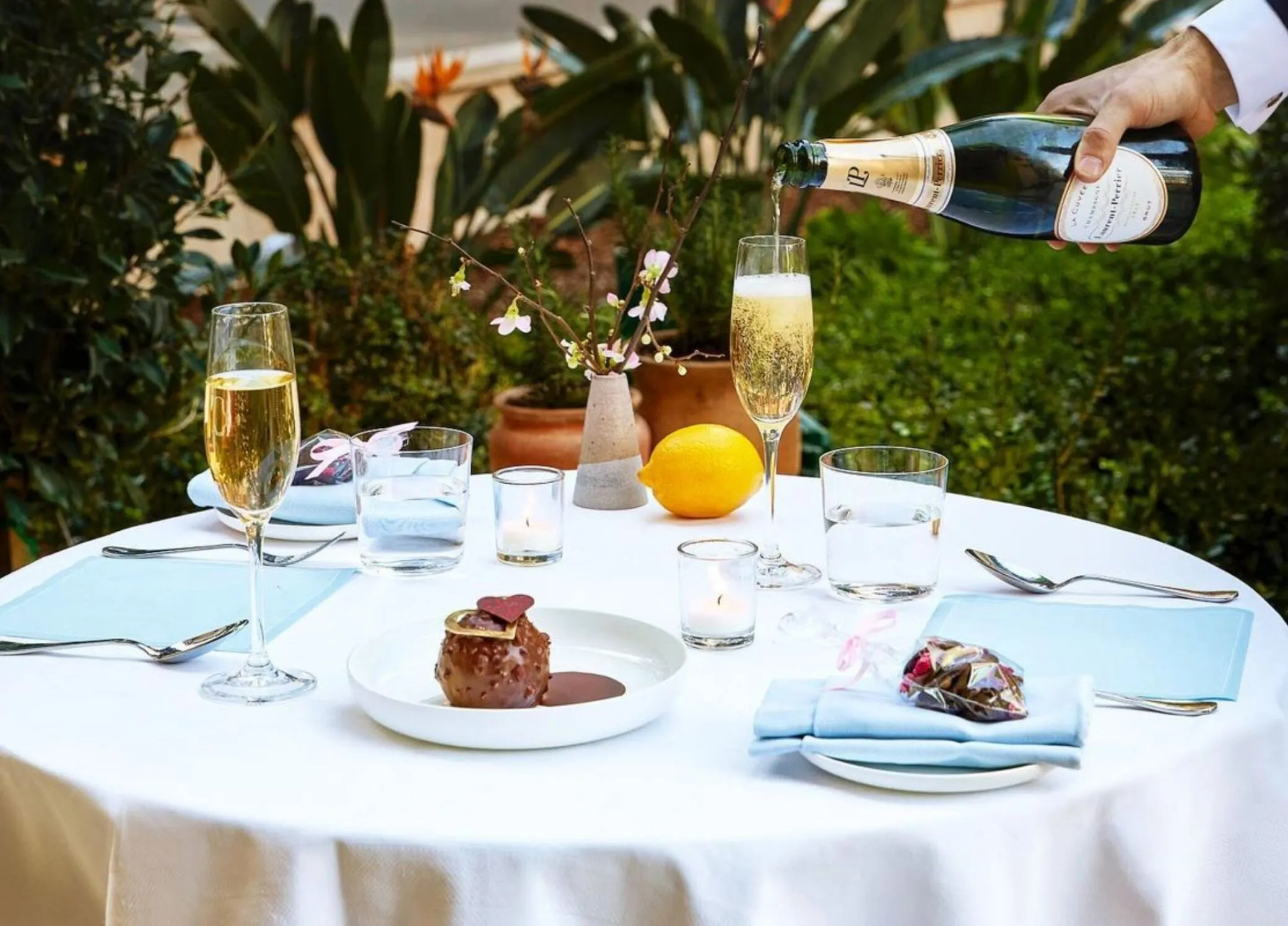
The brand at the table
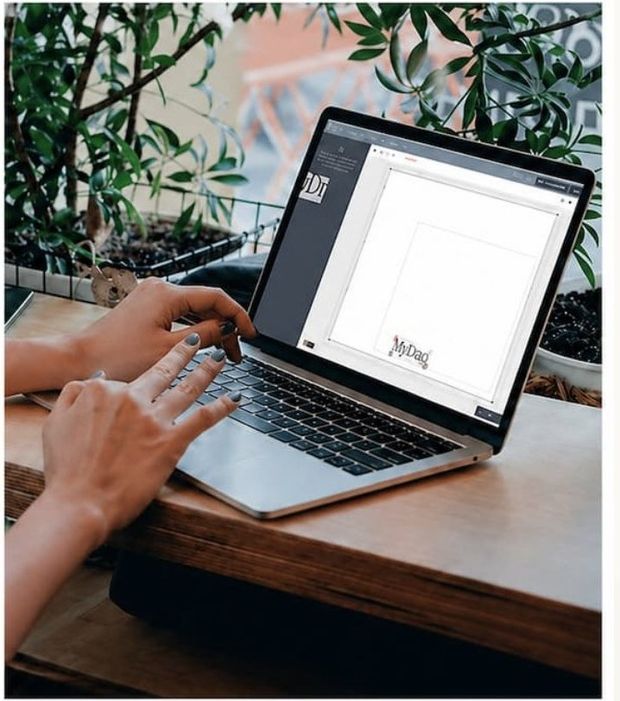
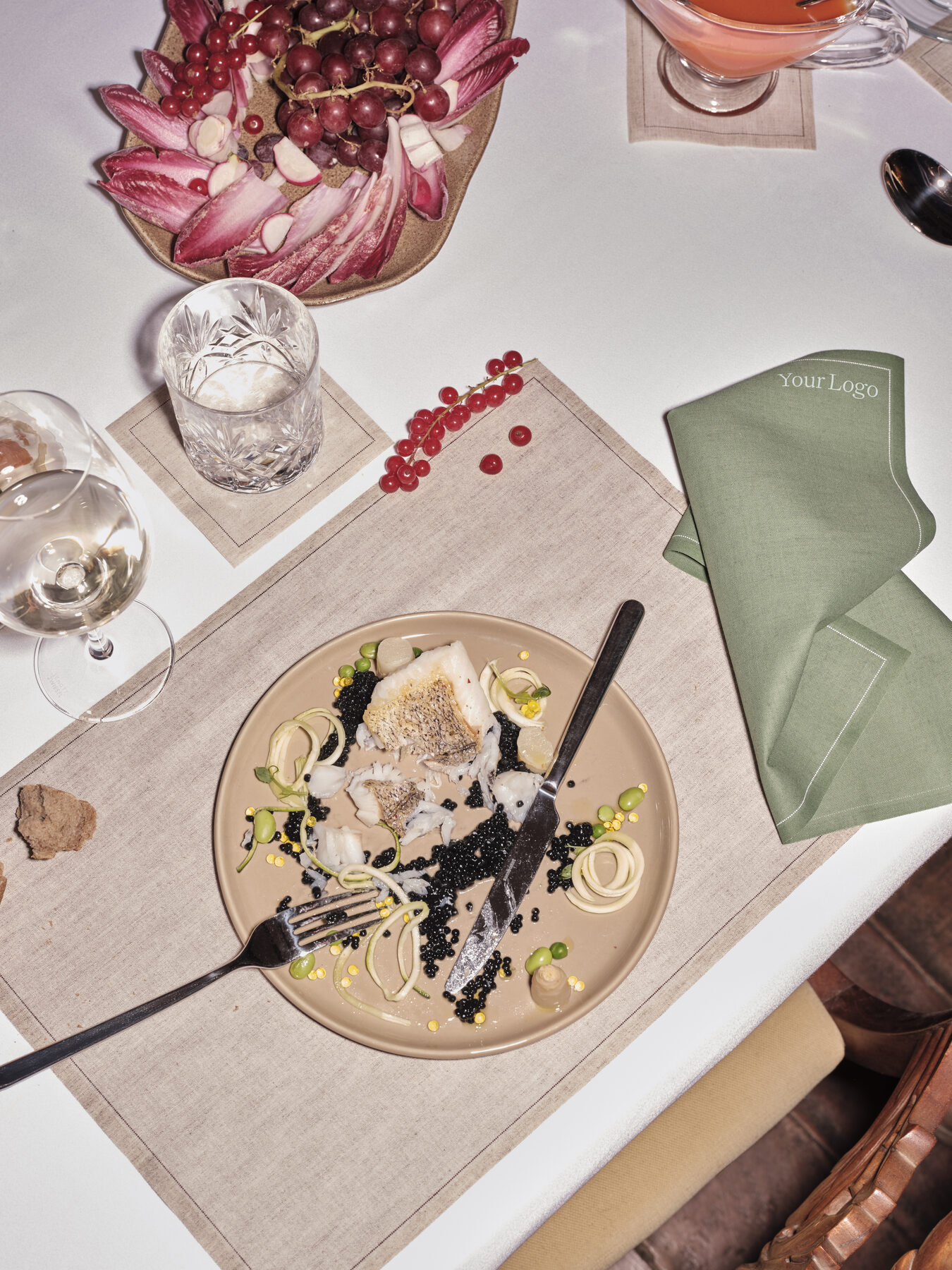
This is where the detail stops being practical and becomes strategic. A napkin carrying the house's mark — a monogram, a wordmark, a single motif in the corner — turns a functional object into a piece of the identity. It is the smallest possible billboard, placed in the guest's hands at the most relaxed moment of the evening. Custom printing makes it possible to run that mark across cotton in the house's own colour, applied at the source rather than stamped on as an afterthought.
The napkins themselves are woven in Barcelona, and the mark is printed to sit inside the product's own craft tradition rather than beside it. A base colour is chosen to sit with the room; the design is set once and repeats, roll after roll, with the evenness that only a proper print process gives. The result is a napkin that looks commissioned, because it was.
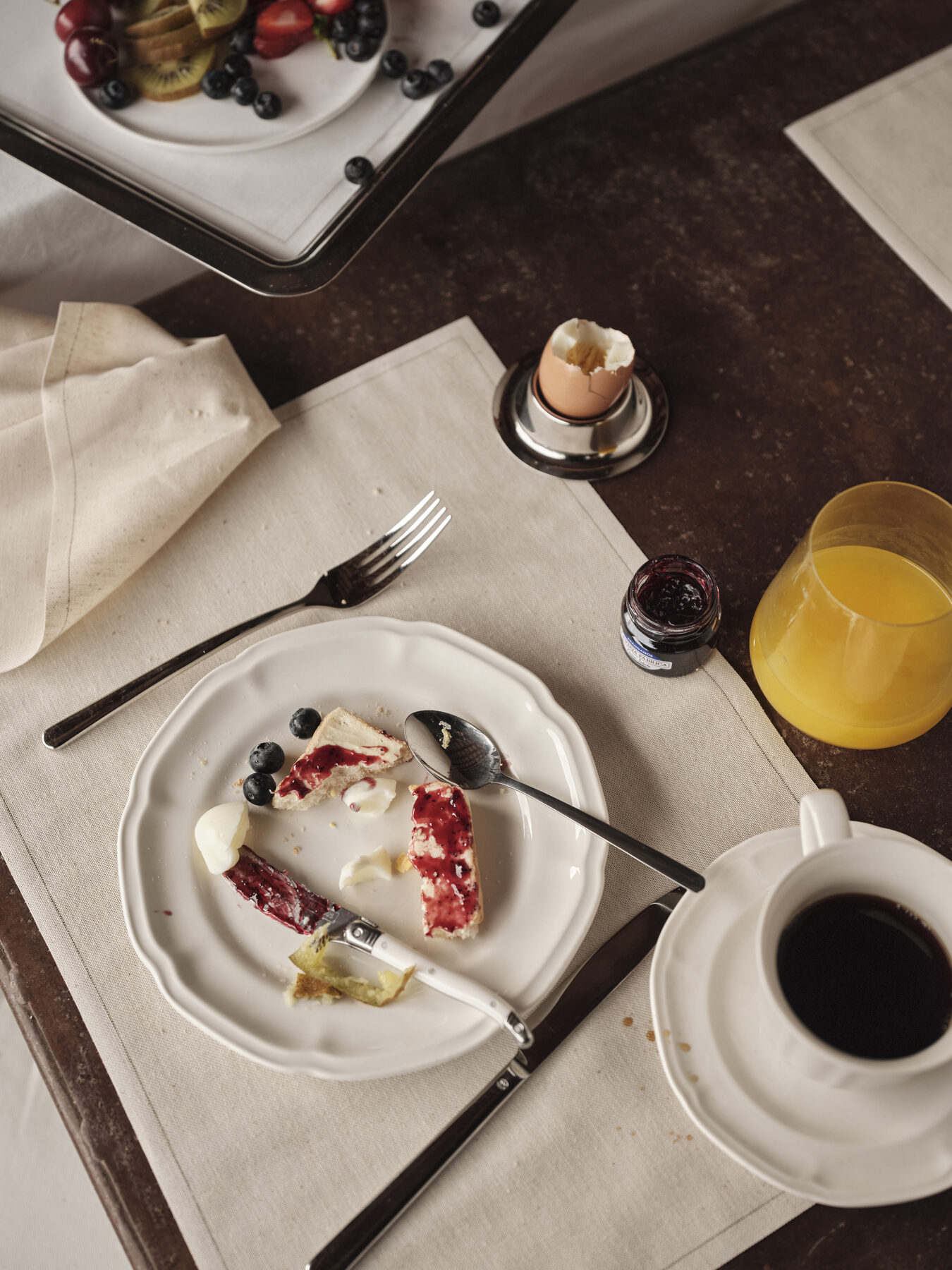
And then the modern part: guests photograph it. A well-marked napkin beneath a beautifully plated dish is the kind of small, genuine detail that travels — shared not because anyone asked, but because it was worth sharing. Each image carries the house's name into a feed it did not have to buy its way into. The napkin a guest held at dinner becomes the napkin a hundred people see the following morning. That is a signature doing exactly what a signature should: making the house recognisable, and making it remembered.
The branded table detail, in the end, is a small object asked to do a large job: to feel like cloth, behave like convenience, disappear like something compostable, and speak like a mark — all without drawing attention to the effort. Get it right and it does what the best hospitality always does. It makes care visible in a form the guest can hold.